-
3,584 metres
-
Best Hotles
-
Haridwar
-
Brekfast and Dinner (Vegetarian)
-
May–June and September–October
-
Spritual, Trekking
-
Hindi, English
There are some journeys where the destination is only one part of the experience. Kedarnath is one of them.
The moment you leave the plains and start moving deeper into the mountains, the character of the journey changes. Roads become narrower, the Mandakini River begins appearing beside you, villages become smaller, and the Himalayan landscape slowly takes over. By the time you reach Gaurikund, you know that the most memorable part of the journey is still ahead.
From Gaurikund, the road ends and the famous uphill journey towards Kedarnath begins. For many pilgrims, the trek is tiring. There are steep sections, changing weather, crowds during the peak season and long stretches where every step feels like an effort. But there is something about walking towards Kedarnath that makes people continue even when their legs are exhausted.
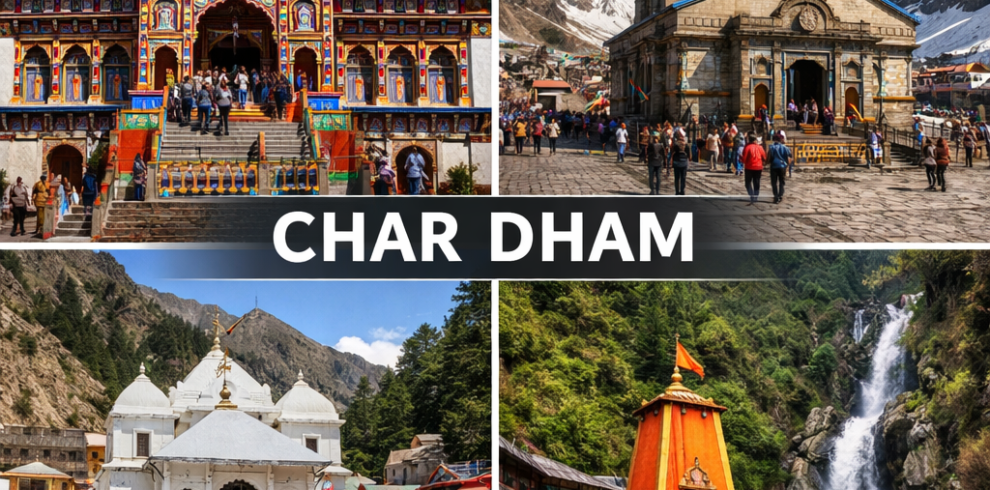
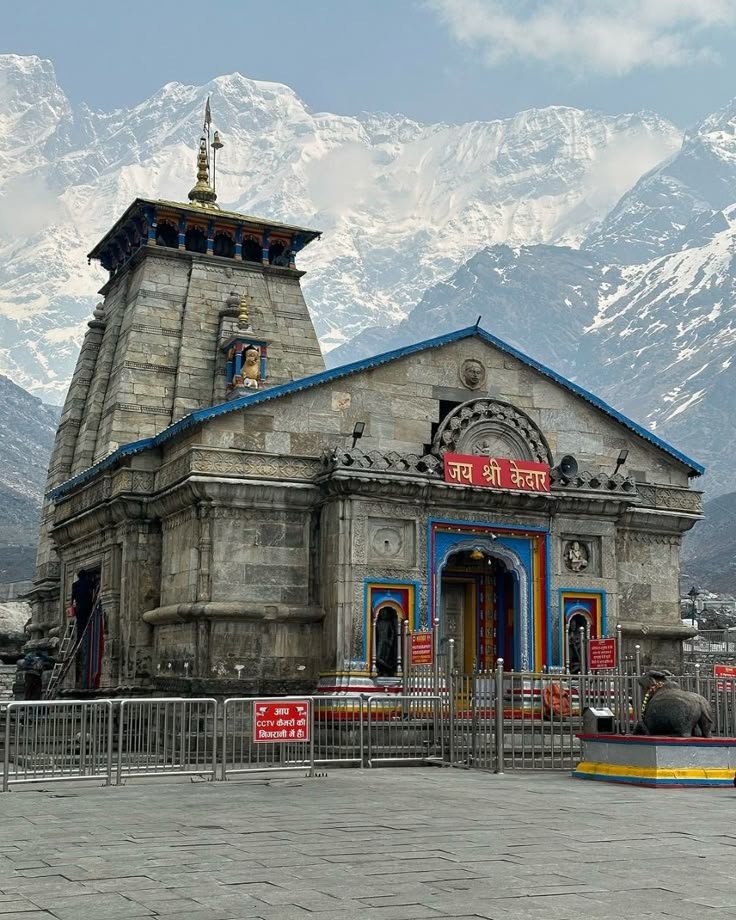
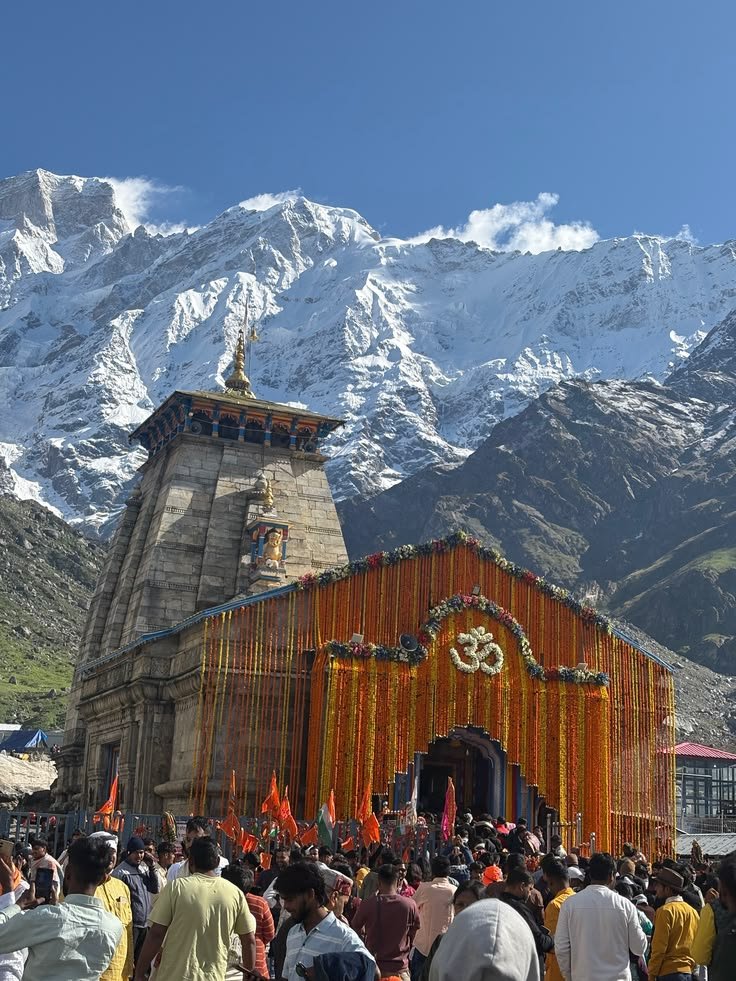
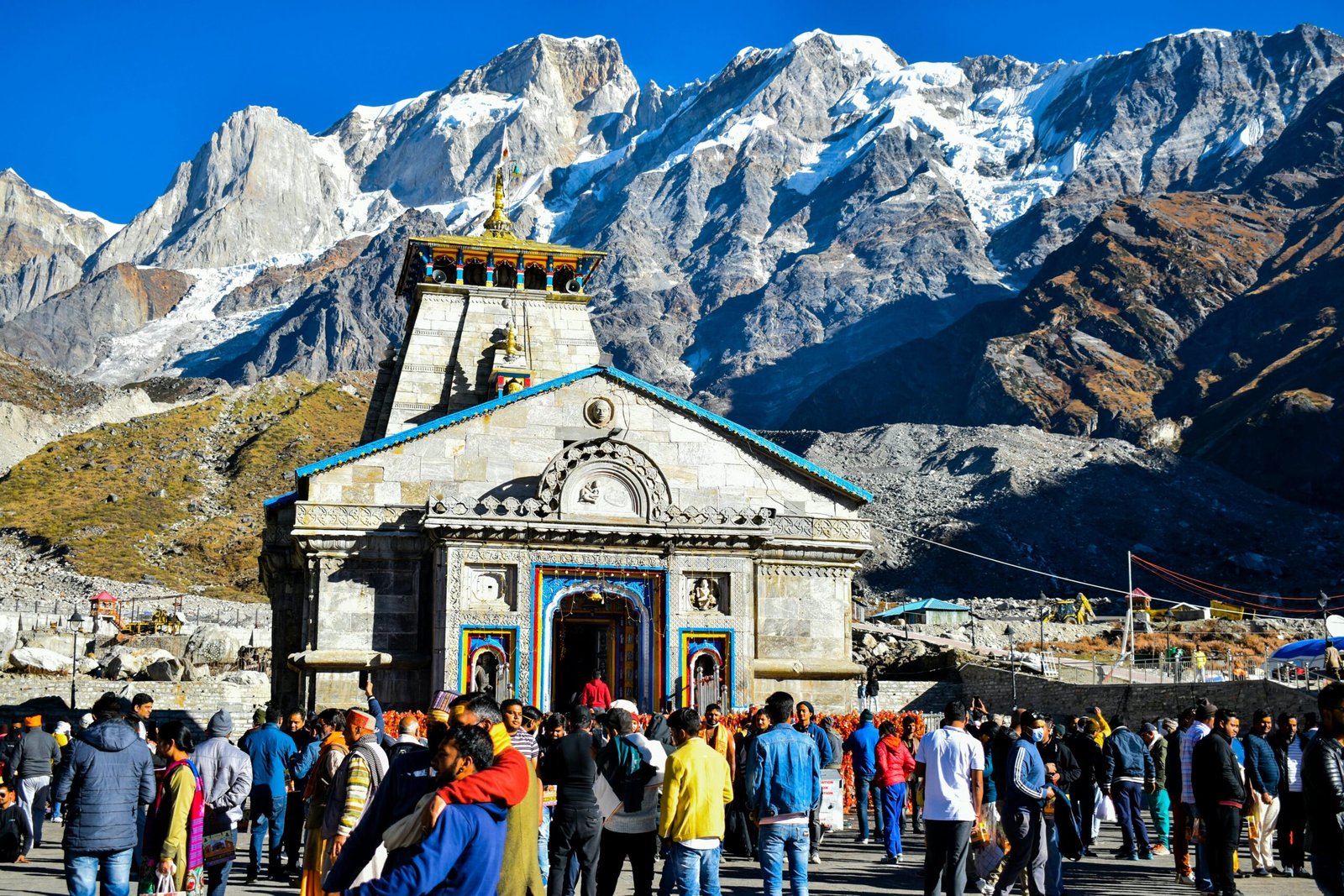
At an altitude of around 3,584 metres, Kedarnath Temple stands surrounded by the enormous Himalayan landscape. The temple is one of the most revered Shiva temples in India and an important shrine of the Char Dham pilgrimage in Uttarakhand. The official Uttarakhand Tourism website describes the Gaurikund–Kedarnath route as a roughly 16-km trek, while other official Uttarakhand sources use slightly different route measurements depending on the route reference.
A Kedarnath trip is therefore not simply a temple visit. It is a combination of faith, mountains, physical effort, silence, uncertainty and one of the most powerful Himalayan experiences a traveller can have.
Why Is Kedarnath So Special?
Kedarnath is among the twelve Jyotirlingas of Lord Shiva and is also one of the most important pilgrimage destinations in the Himalayas.
The temple is believed to be associated with the Pandavas and the ancient traditions surrounding Lord Shiva. According to popular belief, the Pandavas came to the Himalayas seeking Lord Shiva’s blessings. Shiva is said to have taken the form of a bull, and the sacred story connects the different manifestations of Shiva with the Panch Kedar temples.
The Kedarnath shrine is particularly distinctive because of the naturally shaped stone worshipped as the representation of Shiva. Its setting makes the experience even more remarkable. Behind the temple rises the rugged Himalayan landscape, while the valley around it carries the sound of the Mandakini and the movement of thousands of pilgrims during the yatra season.
But the spiritual importance of Kedarnath isn’t the only reason people remember the journey.
- It is the feeling of standing in front of the temple after walking for hours.
- It is the cold mountain wind.
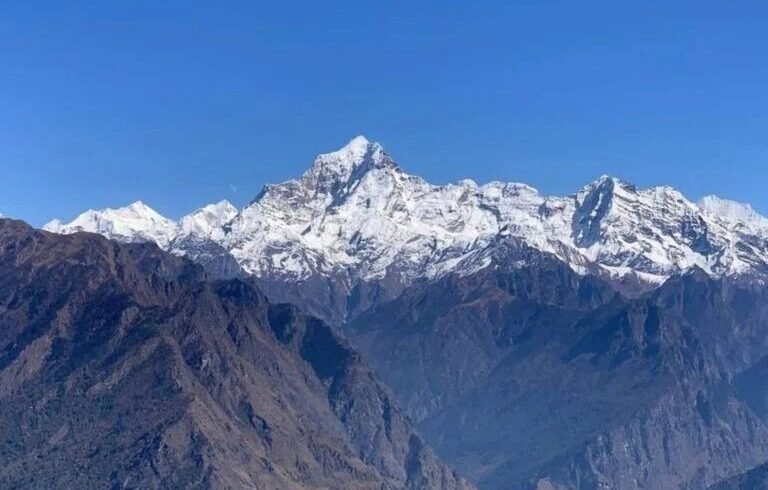
- It is the sight of snow-covered peaks.
- It is the sound of pilgrims chanting “Har Har Mahadev” along the trail.
And for many people, it is simply the feeling of having completed something they weren’t sure they could do.
The Kedarnath Journey Begins Before the Trek
A common mistake is to think of Kedarnath as a trek beginning at Gaurikund. In reality, the journey starts much earlier.
Most travellers reach Uttarakhand through Haridwar or Rishikesh and then travel towards the Garhwal Himalayas. Depending on your starting point, the journey takes you through places such as Devprayag, Srinagar, Rudraprayag, Agastyamuni, Guptkashi and Sonprayag before reaching Gaurikund.
- One of the beautiful things about this road journey is that the scenery keeps changing.
- The plains gradually disappear.
- The roads begin winding around mountains.
- Rivers become constant companions.
- Small roadside cafés appear around bends.
And every few kilometres, another Himalayan village comes into view The Mandakini River becomes particularly important as you move towards the Kedarnath region.
Gaurikund: Where the Trek Begins
Gaurikund is the traditional starting point for the Kedarnath trek.
The settlement is surrounded by steep Himalayan slopes and serves as a major base for pilgrims. Uttarakhand Tourism identifies Gaurikund as the starting point of the Kedarnath trek and highlights its religious connection with Goddess Parvati. Before starting the trek, this is where you should make sure everything is ready.
- Your shoes should be comfortable.
- Your backpack should not be unnecessarily heavy.
- Your rain protection should be accessible.
- Water should be available.
And you should have enough time to complete the journey without rushing. The atmosphere at Gaurikund can be energetic, particularly during busy pilgrimage periods. Ponies, porters, pilgrims, shopkeepers and transport workers all contribute to the unique character of the place. Once you leave Gaurikund, the real journey begins.
Kedarnath Trek Experience
The route from Gaurikund to Kedarnath is an uphill Himalayan trail. The official Uttarakhand Tourism description calls it a medium-to-steep trek and notes that the route passes through mountain landscapes, waterfalls and forested sections.
You don’t have to be an experienced trekker to undertake the journey, but you should respect the altitude and physical demands.
- The first few kilometres can feel manageable.
- Then the climb starts becoming more noticeable.
- Your breathing becomes heavier.
- Your pace slows down.
- You begin taking shorter breaks.
- And eventually, you stop worrying about how many kilometres remain.
- You simply focus on reaching the next resting point.
- That is perhaps one of the most human parts of the Kedarnath experience.
People who have never spoken to each other begin encouraging one another. Someone offers water. Someone tells another pilgrim, “Bas thoda aur.” Families walk together. Elderly pilgrims move slowly but continue forward. The trail becomes more than a route. It becomes part of the pilgrimage itself.
Kedarnath Temple
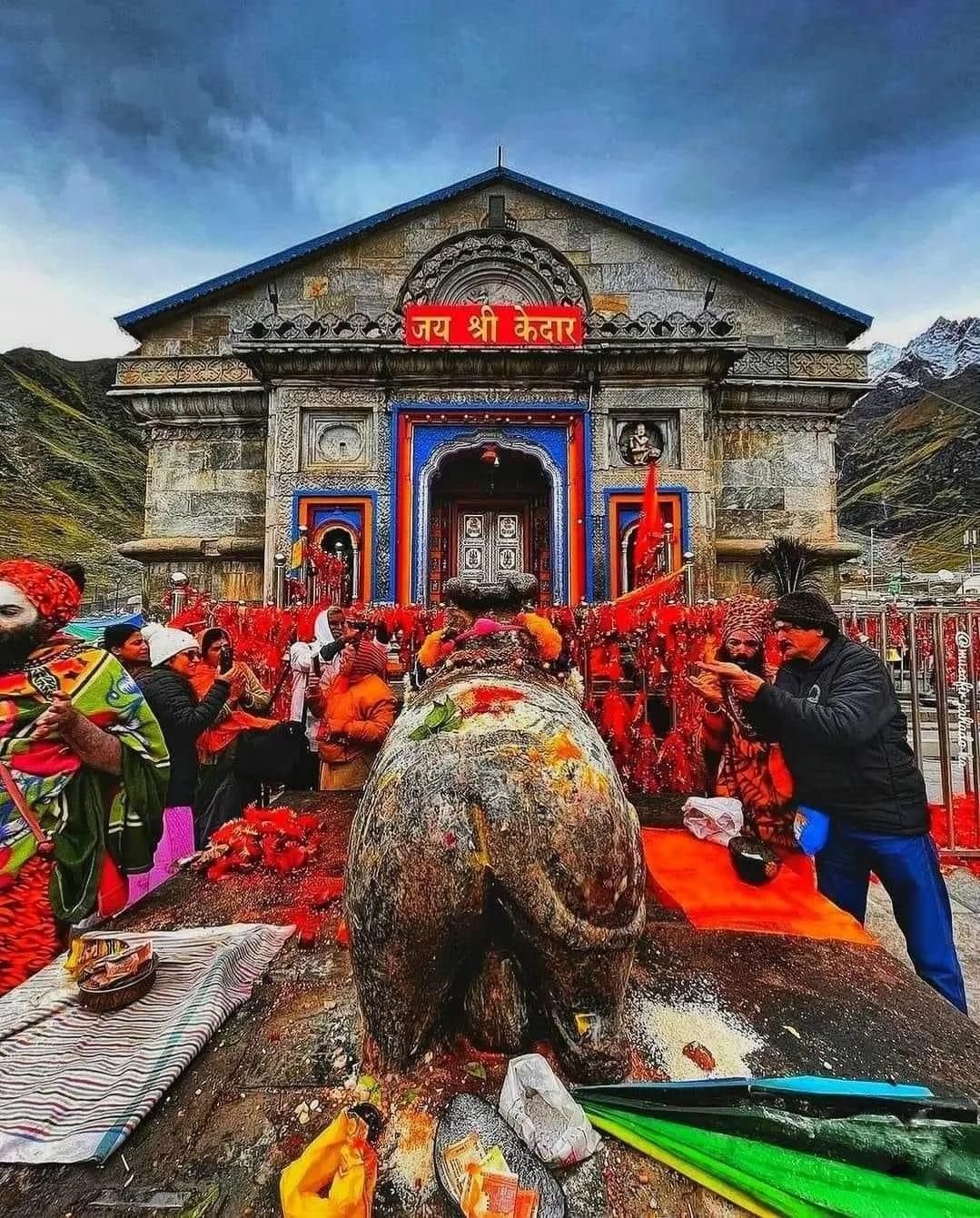
After hours of walking, the first sight of Kedarnath Temple can be surprisingly emotional. The massive stone structure appears against the Himalayan surroundings, and suddenly the exhaustion of the journey feels different.
The temple is traditionally associated with Lord Shiva and is one of the principal shrines of the Char Dham pilgrimage in Uttarakhand. The surrounding landscape adds to its character. The mountains don’t simply form a background for the temple. They make the entire place feel isolated and powerful.
Inside the temple, devotees offer prayers and seek darshan of Lord Shiva. The experience can be very different depending on the season and crowd levels. During the busiest periods, there may be long queues and considerable waiting time.
It is worth remembering that the purpose of the journey isn’t to rush through the darshan.
- Take a moment.
- Look around.
- Let yourself understand where you are.
You have travelled through the mountains, walked a long uphill trail and finally arrived at one of India’s most important Shiva shrines.
Bhairavnath Temple
Bhairavnath Temple, also known as Bhairav Baba Temple, is another important place to visit around Kedarnath.
It is located roughly 500 metres from the main Kedarnath Temple, according to Uttarakhand Tourism. The temple is traditionally regarded as being associated with Bhairav, a fierce manifestation of Lord Shiva and the guardian of Kedarnath.
The short uphill walk provides beautiful views of the surrounding valley and Kedarnath settlement. If weather and physical conditions permit, visiting Bhairavnath Temple can add another meaningful experience to the Kedarnath trip.
Adi Shankaracharya Samadhi
Behind the Kedarnath Temple lies the site associated with Adi Shankaracharya. The place is significant for pilgrims and followers of Advaita Vedanta and is commonly visited after darshan at the main temple.
The atmosphere around the temple complex can be busy, but a little away from the main movement, the mountains create moments of remarkable silence.
This is one of those places where you don’t necessarily need to do anything.
- Just sit for a few minutes.
- Look at the mountains.
- Listen to the wind.
And take in the fact that you are standing in one of the highest and most remote major pilgrimage centres in India.
Best Time to Visit Kedarnath
The Kedarnath pilgrimage is seasonal because of the extreme Himalayan winter.
For most travellers, May to June is an excellent period if they want relatively pleasant conditions and access during the main pilgrimage season.
September to October can also be a beautiful period because the monsoon generally begins to retreat and the mountains can become clearer.
July and August require additional caution because monsoon conditions can affect roads, trekking routes and overall travel plans.
Weather in the Himalayas can change quickly, so a trip should never be planned only according to a calendar. Always check current weather and official travel advisories before departure.
The official Uttarakhand registration portal itself publishes weather and yatra-related updates and has, when required, suspended pilgrimage movement because of heavy rainfall alerts.
Kedarnath Trip by Helicopter
For travellers who cannot undertake the complete trek, helicopter services can provide an alternative depending on seasonal operations and availability. The Uttarakhand Tourism registration portal confirms helicopter services for Kedarnath and provides a dedicated heli-service section.
However, helicopter operations are highly dependent on weather, aviation conditions and operational schedules. Therefore, never plan the entire trip around the assumption that a helicopter will definitely operate on a particular day.
Always check the official booking and operational information close to your travel date.
How to Reach Kedarnath
By Air
The nearest major airport commonly used for the journey is Jolly Grant Airport near Dehradun.
From the airport, you continue by road towards the Kedarnath region.
Helicopter services may also operate from designated Himalayan helipads during the pilgrimage season.
By Train
Rishikesh is one of the major railway access points for Kedarnath. From Rishikesh, the remaining journey is by road towards the Garhwal region.
Uttarakhand Tourism lists Rishikesh as the nearest railway station for the Kedarnath route and notes road connectivity towards Gaurikund.
By Road
You can reach the Kedarnath region by road from Haridwar, Rishikesh, Dehradun and other major towns of Uttarakhand.
The road journey generally takes you through the Himalayan towns and river valleys before reaching Sonprayag/Gaurikund.
Kedarnath Trek Difficulty
The Kedarnath trek is generally considered moderate to challenging, especially for people who are not accustomed to long uphill walks.
The difficulty depends on:
- Fitness level
- Age
- Weather
- Altitude
- Backpack weight
- Pace
- Previous trekking experience
Don’t compare your pace with another pilgrim. A person who walks 3 km per hour in the plains may not maintain the same speed in the mountains.
- Walk slowly.
- Take regular breaks.
- Drink water.
- And listen to your body.
What to Carry for Kedarnath
A sensible packing strategy is more useful than carrying a huge backpack.
Essential items
- Government-approved ID
- Yatra registration documents
- Comfortable trekking shoes
- Warm jacket
- Thermal clothing
- Rain jacket/poncho
- Gloves
- Woollen cap
- Extra socks
- Sunglasses
- Sunscreen
- Personal medicines
- Basic first-aid items
- Reusable water bottle
- Power bank
- Small flashlight
- Lightweight backpack
- Personal toiletries
The official Uttarakhand registration portal also advises pilgrims to carry valid ID, warm clothing and prescribed medicines.
Kedarnath Yatra Registration
Registration should be treated as an essential part of planning the pilgrimage.
The Uttarakhand government operates an official registration system for Char Dham and Hemkund Sahib Yatra, including Kedarnath. The portal allows travellers to create their tour, select destinations and dates and obtain their registration documentation.
The official FAQ states that registration is mandatory and explains that pilgrims receive a QR-coded registration after completing the process. Before travelling, check the current official requirements because procedures and slot availability can change from season to season.
Important Things to Remember
Kedarnath is a high-altitude pilgrimage destination, not a normal weekend trip. Weather can change quickly. Roads can be affected by landslides or heavy rainfall. Trekking times can vary. Mobile connectivity may not be reliable throughout the journey. Accommodation availability can become limited during peak season. Most importantly, don’t treat the mountains casually. Avoid littering, respect local communities and follow instructions from the administration.
The official registration portal specifically asks pilgrims not to litter and to follow safety-related instructions during the yatra.
Final Thoughts
Kedarnath is difficult to explain to someone who has never been there. You can talk about the temple, the mountains, the trek, the Mandakini River, the cold mornings and the thousands of pilgrims walking towards the shrine, but none of these descriptions can truly capture what it feels like to finally stand in front of Kedarnath Temple after completing the journey.
Perhaps that is why people return. Some return because of their faith, some because they fall in love with the mountains, while others return because their first journey changed something within them. There are also those who simply want to experience that feeling one more time.
Kedarnath is not a destination that you simply tick off a travel list. It is a journey that asks something from you before giving something back. Somewhere between the first step from Gaurikund and the final darshan at the temple, the journey becomes deeply personal.
Har Har Mahadev.
Highlights
- Darshan of the sacred Adi Kailash
- Visit Parvati Sarovar and Gauri Kund
- Explore the remote Himalayan villages of Gunji and Kuti
- Experience the peaceful and untouched Himalayan landscape
- Journey through the high-altitude Kumaon Himalayas
- Spiritual journey associated with Lord Shiva