-
Best Hotels
-
Spritual, City Tour
-
Breakfast and Dinner (Vegetarian)
-
English, Hindi
-
September to November and February to April
A journey to Pashupatinath Temple is more than a visit to one of Nepal’s most famous temples. It is an opportunity to experience one of the most important centres of Lord Shiva worship in the Himalayan region.
Located on the banks of the sacred Bagmati River in Kathmandu, Pashupatinath has been a major pilgrimage destination for centuries. The temple complex, ancient shrines, stone sculptures and riverside ghats create an atmosphere that feels deeply connected to Nepal’s spiritual traditions.
For devotees of Lord Shiva, Pashupatinath holds a special place as one of the most revered Shiva temples in the world. For travellers, the surrounding complex offers a fascinating glimpse into Nepal’s architecture, culture and religious traditions.
The journey can also be combined with other attractions around Kathmandu, making Pashupatinath an excellent destination for both pilgrimage and cultural exploration.
Why Visit Pashupatinath?
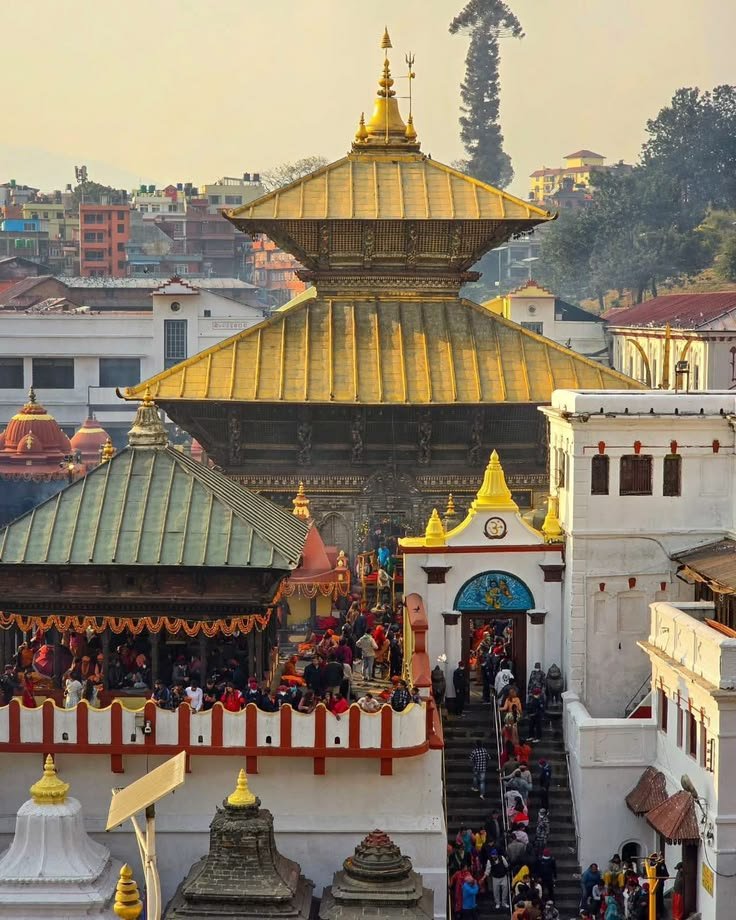
Pashupatinath is dedicated to Lord Shiva in his form as Pashupati, meaning the Lord of all beings. The main temple is built in the traditional pagoda style and stands beside the Bagmati River. The wider complex contains numerous temples, shrines, sculptures and ashrams.
The spiritual atmosphere becomes particularly powerful during festivals such as Maha Shivaratri, when thousands of devotees and sadhus gather in Kathmandu. A visit to Pashupatinath is also an opportunity to explore the traditional side of Kathmandu beyond its busy streets and modern neighbourhoods.
Pashupatinath Temple
The main Pashupatinath Temple is the centre of the entire pilgrimage. The temple is dedicated to Lord Shiva as Pashupati and is considered one of the most sacred Hindu temples in Nepal. The main shrine has a distinctive pagoda-style structure with a golden roof and ornate architectural details.
One important point for travellers is that entry into the main temple is traditionally restricted to Hindus. Non-Hindu visitors can explore and observe the temple from designated areas outside the main shrine. Because temple rules and access arrangements can change, visitors should follow the current instructions provided by temple authorities.
Bagmati River
The Pashupatinath complex sits along the banks of the Bagmati River. The river is deeply significant in Nepal’s Hindu traditions and plays an important role in religious ceremonies.
The ghats beside the river are also associated with Hindu cremation rituals, making this area an important part of understanding the spiritual traditions surrounding Pashupatinath.
Visitors should maintain silence and show sensitivity around ceremonial and cremation areas.
Bagmati Aarti
The evening Bagmati Aarti is one of the most atmospheric experiences around Pashupatinath. As the evening begins, priests perform rituals beside the river accompanied by devotional music and chanting.
The ceremony provides a peaceful way to experience the spiritual atmosphere of the temple complex.
Maha Shivaratri at Pashupatinath
Maha Shivaratri is one of the most important festivals at Pashupatinath. During the festival, large numbers of devotees travel to Kathmandu to seek the blessings of Lord Shiva. Sadhus and pilgrims gather around the temple complex, creating an atmosphere unlike the normal days of the year.
If you plan to visit during Maha Shivaratri, expect significant crowds and allow additional time for transportation and security arrangements.
Places to Visit Around Pashupatinath
Boudhanath Stupa
Boudhanath is one of the most famous Buddhist sites in Kathmandu. The enormous white stupa and prayer flags create a completely different atmosphere from Pashupatinath, making it an excellent place to visit on the same day.
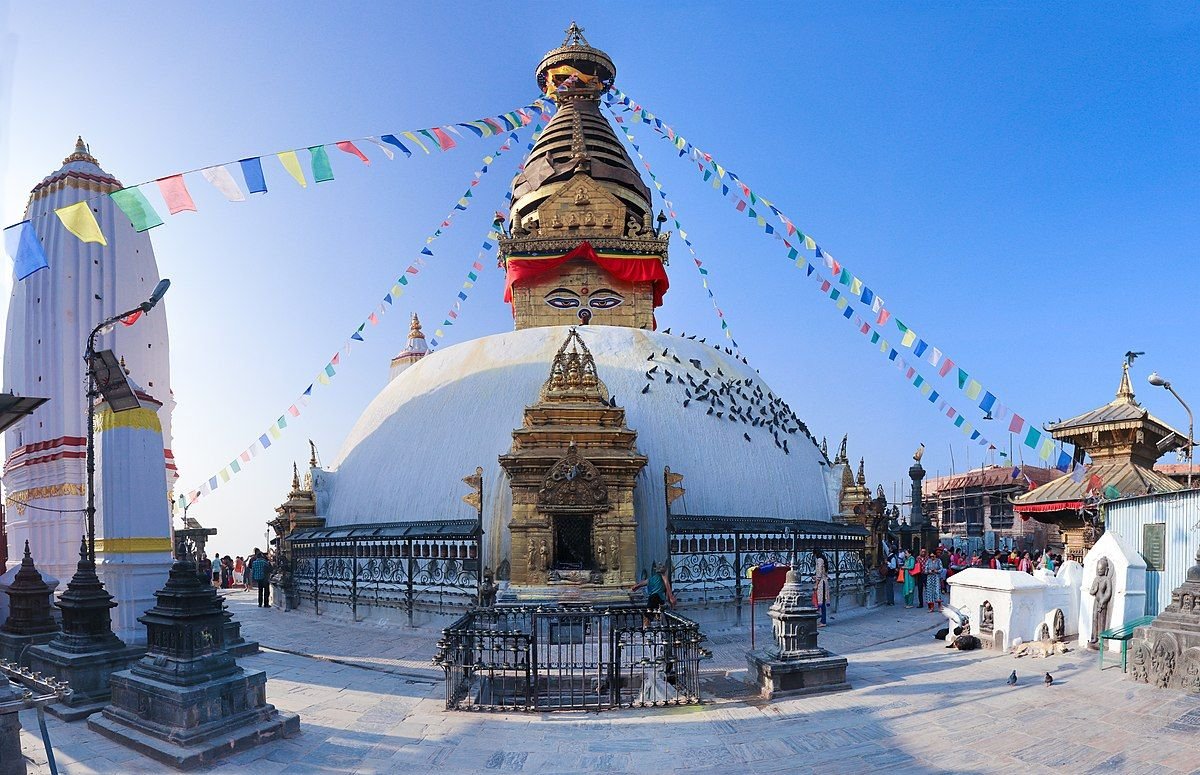
Swayambhunath Stupa
Often called the Monkey Temple, Swayambhunath sits on a hill overlooking Kathmandu. The site offers beautiful views across the Kathmandu Valley along with an opportunity to experience Nepal’s Buddhist heritage.
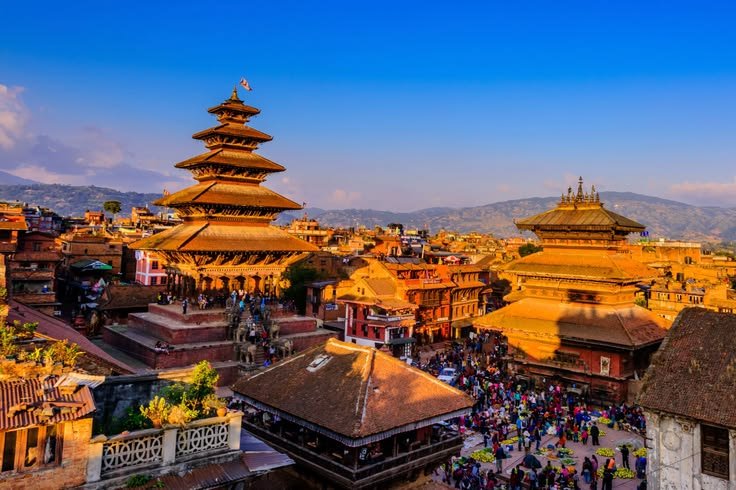
Kathmandu Durbar Square
Kathmandu Durbar Square is an important historical and cultural area featuring traditional Newari architecture, temples, courtyards and historic structures.
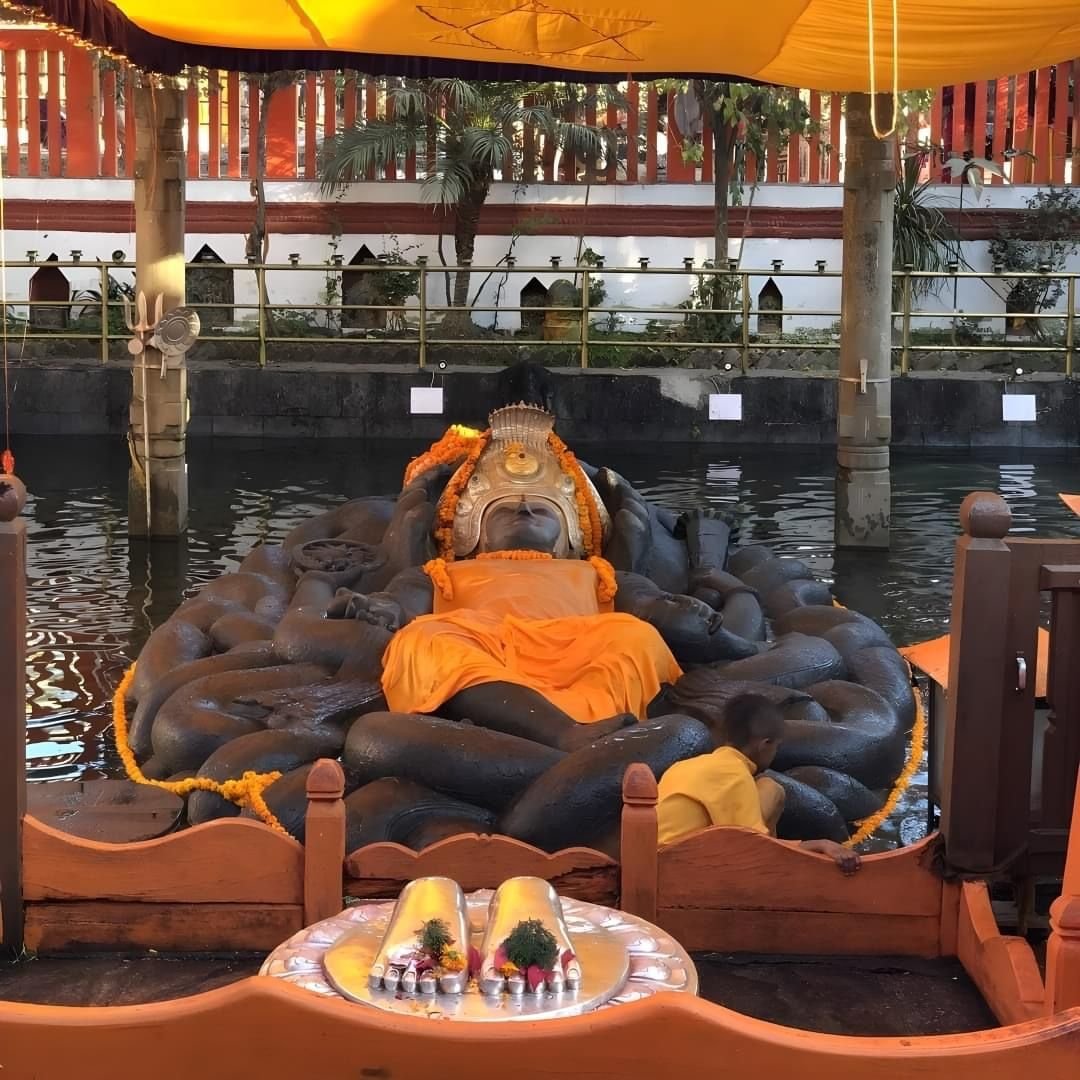
Budhanilkantha Temple
Budhanilkantha is known for its large reclining statue of Lord Vishnu situated in a stone-lined water tank. It can be included if you have additional time in Kathmandu.
Best Time to Visit Pashupatinath
The best time depends on whether you want comfortable sightseeing or the atmosphere of a major Hindu festival.
September to November generally offers pleasant weather and clear Himalayan skies, making it an excellent season for exploring Kathmandu.
February to April can also be a good period for travel, with relatively comfortable temperatures.
If you specifically want to experience Maha Shivaratri, the atmosphere around Pashupatinath is extraordinary, but the temple and surrounding areas become extremely crowded.
How to Reach Pashupatinath
By Air
The nearest airport is Tribhuvan International Airport in Kathmandu. Pashupatinath Temple is located relatively close to the airport, making it convenient for travellers arriving by air.
By Road
Kathmandu can be reached by road from several cities in Nepal and from selected entry points along the India-Nepal border. Travellers coming from India can plan a road journey or combine road and air travel depending on their starting location.
Pashupatinath Yatra Difficulty
Pashupatinath is not a trekking destination. The temple can be visited by travellers of different ages and fitness levels. However, there can be considerable walking around the large temple complex and surrounding areas. During festivals and peak pilgrimage periods, crowds can make movement slower.
What to Carry for Pashupatinath
Carry comfortable walking shoes, modest clothing, a valid photo ID, sunscreen, sunglasses, personal medicines and a small day bag. Indian travellers should also carry the appropriate travel documents and identification required for the India-Nepal journey.
Avoid carrying unnecessary valuables into crowded areas. Photography restrictions may apply in certain parts of the temple complex, so always follow local instructions.
Highlights
- Darshan at the sacred Pashupatinath Temple
- Experience one of the most important Shiva pilgrimage sites in Nepal
- Explore the ancient temples and shrines within the Pashupatinath complex
- Visit the sacred Bagmati River Ghats
- Experience the evening Bagmati Aarti
- Experience traditional Nepalese architecture and local culture
- Visit during Maha Shivaratri for a particularly vibrant spiritual experience