-
4,770 metres.
-
Best Hotels and Tents
-
Kathgodam
-
Spritiual, Trekking
-
Brekfast and Dinner
-
May to June and September to October
-
English, Hindi
There are some journeys that feel different from the moment you begin them. Adi Kailash is one of those journeys.
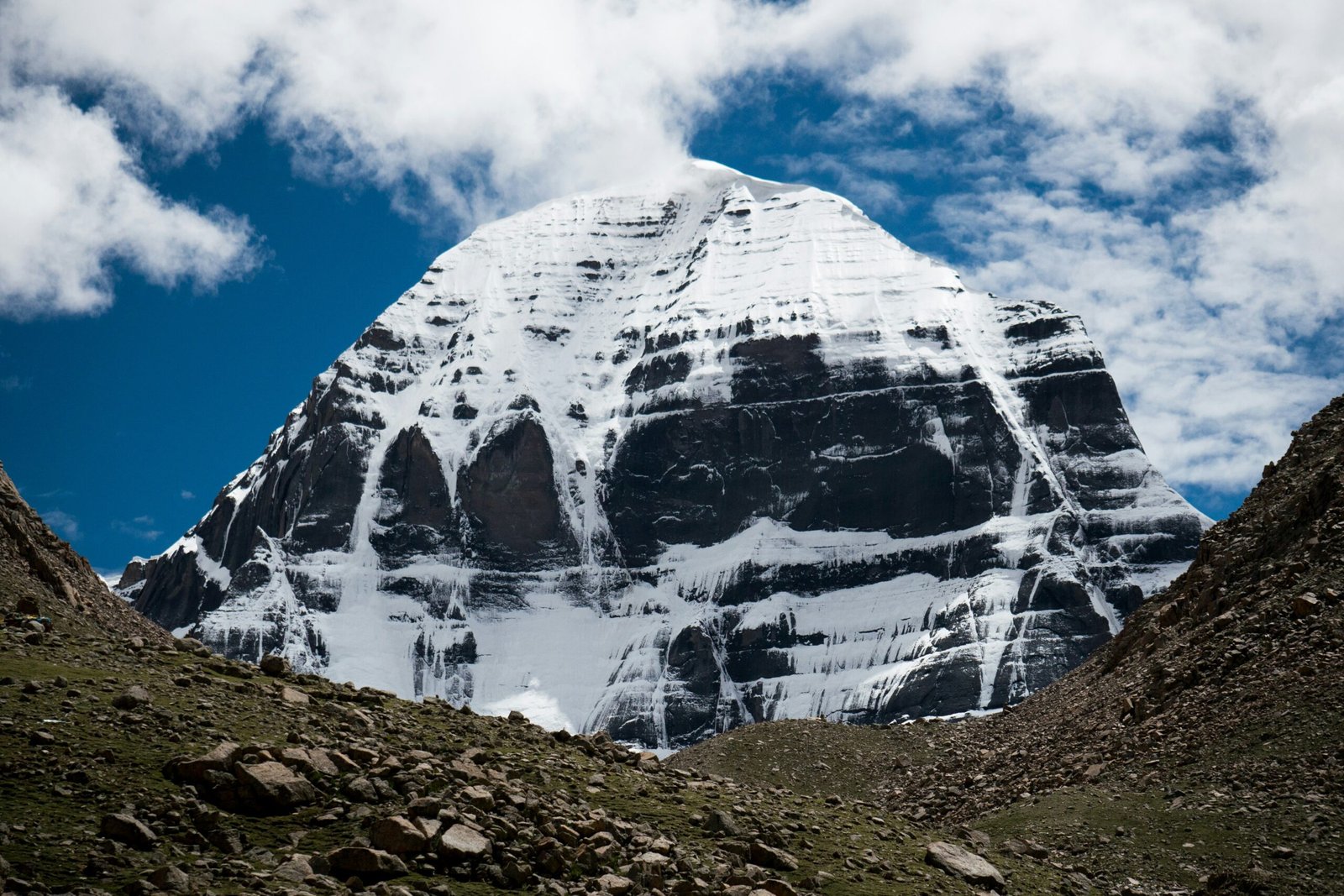
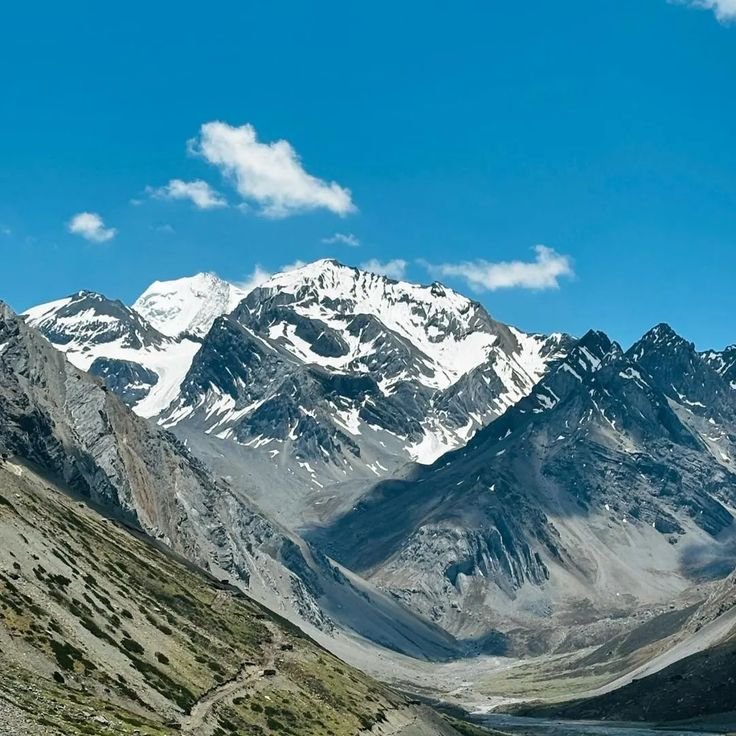
Deep in the Kumaon Himalayas of Uttarakhand, close to the India–Tibet border, lies a remote mountain landscape associated with Lord Shiva and Goddess Parvati. The journey towards Adi Kailash takes you far away from the busy tourist towns and into a world of high mountains, winding roads, small Himalayan villages, sacred lakes and enormous stretches of silence.
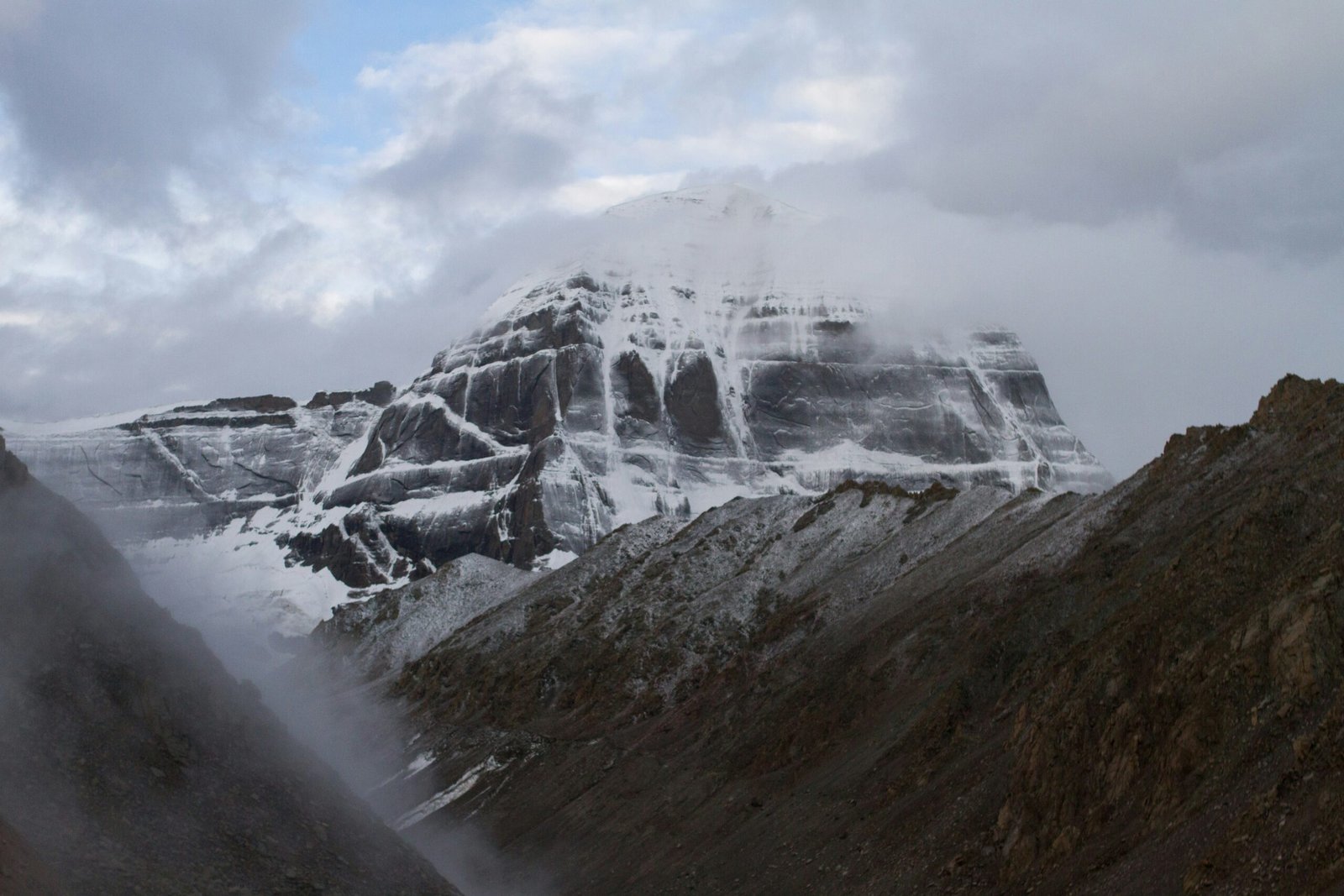
Adi Kailash is often described as a sacred counterpart or earthly reflection of Mount Kailash in Tibet. The Pithoragarh district administration describes it as an ancient holy place associated with Lord Shiva and highlights Parvati Sarovar, Gauri Kund and the Adi Kailash Temple among the principal attractions.
But what makes the journey memorable isn’t just the mountain.
- It is the road that takes you there.
- It is the villages of the Kali and Kuti valleys.
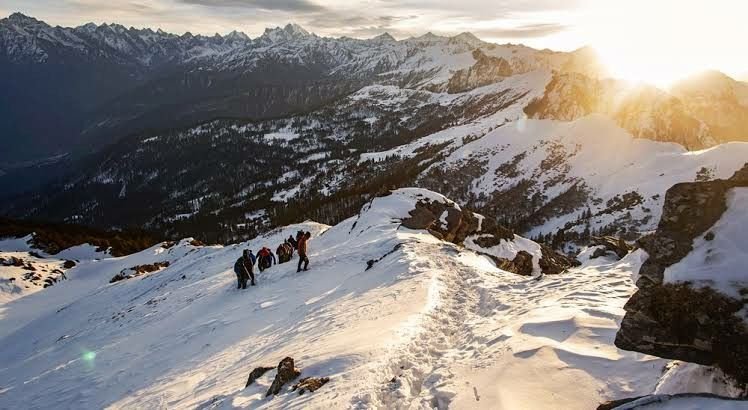
- It is the changing landscape as you climb higher.
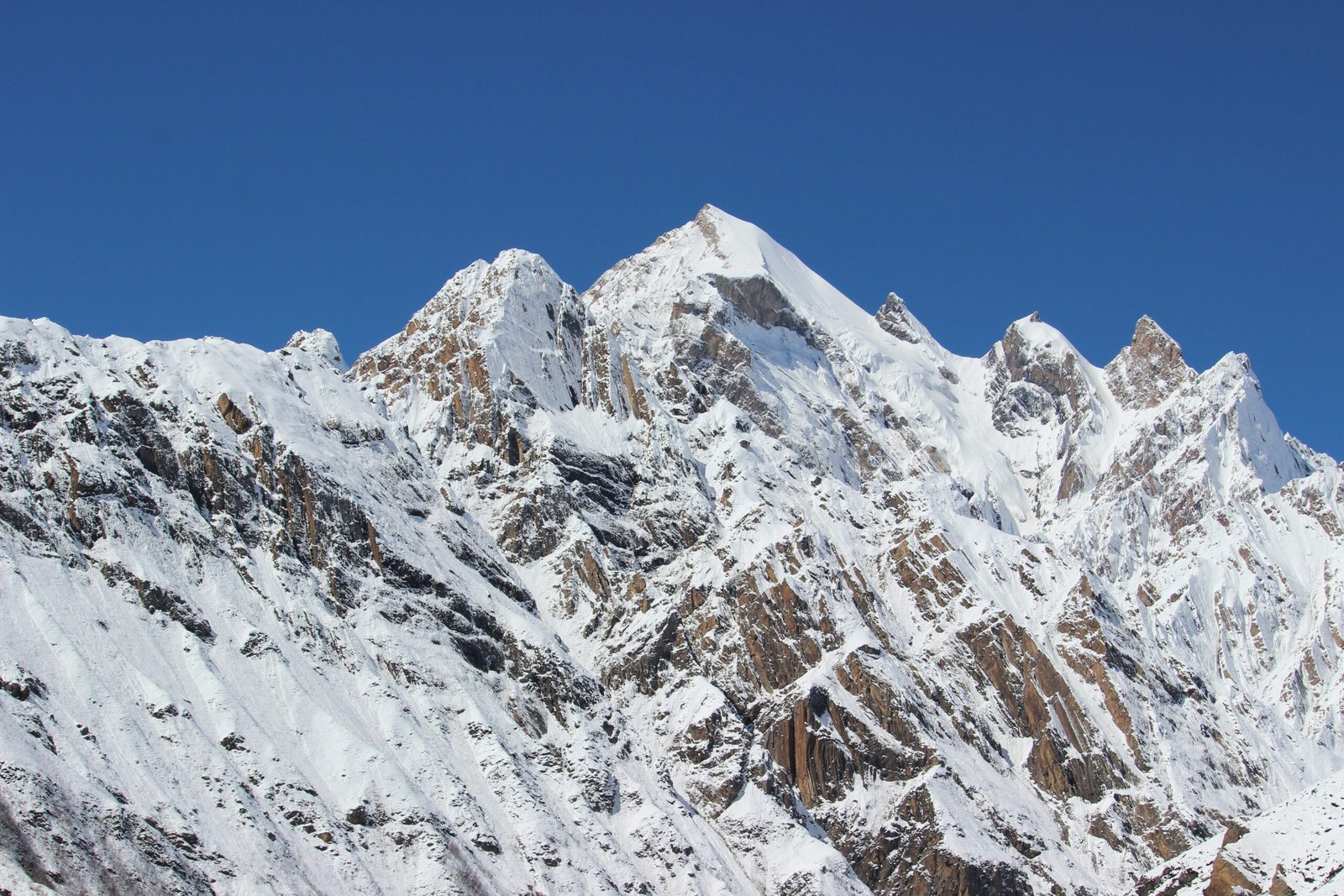
- It is the first sight of the snow-covered peaks.
- It is standing beside Parvati Sarovar with mountains reflected in the water.
And it is the feeling of being somewhere that still feels wonderfully remote.
The official Pithoragarh administration lists the Adi Kailash/Jollingkong area at around 4,770 metres, making altitude an important part of the journey.
For travellers looking for a pilgrimage that combines faith, adventure and the raw beauty of the Himalayas, Adi Kailash can be an unforgettable experience.
Why Is Adi Kailash Special?
Adi Kailash holds deep religious significance and is traditionally associated with Lord Shiva.
The area is surrounded by sacred places that make the journey more than simply reaching a mountain viewpoint.
Some of the most important places associated with the yatra include:
- Adi Kailash
- Adi Kailash Temple
- Parvati Sarovar
- Gauri Kund
- Jollingkong
- Kuti
- Gunji
- Kalapani
- Nabidhang
- Kunti Parvat region
The Pithoragarh district administration describes Parvati Sarovar as a sacred lake associated with Goddess Parvati and Gauri Kund as a holy water body connected with her.
The landscape is equally impressive.
At lower elevations, you pass through green valleys and Himalayan villages. As the road climbs, vegetation becomes thinner and the mountains become more rugged. Eventually, the scenery starts feeling almost otherworldly.
The Journey Towards Adi Kailash
The journey usually begins from the Kumaon region and moves towards Dharchula, which serves as an important base for the Adi Kailash route. From Dharchula, the road continues towards Tawaghat and then deeper into the Himalayan valleys.
- The landscape changes dramatically along the way.
- The road follows mountain rivers.
- Small villages appear on steep slopes.
- The valleys become narrower.
And the mountains gradually become larger. According to the Pithoragarh district administration, Dharchula is approximately 120 km from the Adi Kailash region, while the official route information provides distances for several stages of the journey.
Because this is a sensitive border region, travellers should not assume that the route operates like an ordinary tourist circuit. Current permissions, route conditions and yatra status should be checked before departure. The Pithoragarh administration maintains an official Adi Kailash.
Gunji – The Gateway to the Higher Himalayas
Gunji is one of the most important settlements on the route.
It sits at a much higher altitude than Dharchula and is an important point for travellers moving towards the Adi Kailash and Om Parvat regions.
The official route information places Gunji at approximately 3,220 metres, while Kalapani is listed at approximately 4,246 metres.
- This change in altitude is significant.
- You may notice that walking feels harder.
- Breathing can become slightly more difficult.
- Your body may need additional time to adjust.
- That is why a good Adi Kailash itinerary should never be rushed.
- The journey isn’t a race.
It is better to arrive at the higher camps rested than to push yourself simply to save a few hours.
Kuti Village
Kuti is one of the most fascinating settlements on the Adi Kailash route.
Located in the high Himalayan landscape, the village provides a glimpse into the traditional life of communities living in one of India’s most remote regions.
- The surrounding mountains dominate the landscape.
- There are few distractions.
- No city noise.
- No crowded shopping streets.
Just mountains, rivers, traditional homes and the sound of the wind moving through the valley.
For photographers and travellers who enjoy slow travel, Kuti can be one of the most memorable parts of the entire journey.
Jollingkong – The High Himalayan Base
Jollingkong is an important point on the Adi Kailash route.
The official Pithoragarh route information lists Kuti–Jollingkong as approximately 14 km and places the Jollingkong/Adi Kailash area at around 4,770 metres.
This is where the landscape becomes distinctly high Himalayan.
- The mountains are more barren.
- The air is colder.
- Weather changes become more noticeable.
- And the surrounding peaks feel enormous.
The official district information also identifies Jollingkong with Chhota Kailash and mentions the beautiful lake known as Parvati Tal.
Parvati Sarovar
Parvati Sarovar is one of the most beautiful and spiritually significant locations around Adi Kailash. The lake sits surrounded by mountains and creates a peaceful setting for pilgrims.
On a calm day, the surrounding peaks can be reflected in the water, creating an almost surreal scene.
- This is not a place where you need to rush.
- Take some time.
- Sit quietly.
- Look at the mountains.
- And let the landscape become part of the pilgrimage.
Gauri Kund
Gauri Kund is another sacred location associated with Goddess Parvati.
The Pithoragarh administration identifies Gauri Kund as one of the significant religious attractions around Adi Kailash.
Together, Adi Kailash, Parvati Sarovar and Gauri Kund form the spiritual centre of the journey.
Adi Kailash Temple
The Adi Kailash Temple is dedicated to Lord Shiva and is an important place of worship for pilgrims.
After travelling through remote valleys and high mountain roads, reaching the temple area can feel particularly meaningful. The surroundings are quiet compared with more popular pilgrimage destinations.
There may not be the same crowds you encounter at Kedarnath or other major shrines. That relative solitude is part of the charm.
Om Parvat Yatra
There are some places in the Himalayas where nature itself becomes a part of the pilgrimage. Om Parvat is one of them. Hidden in the high mountains of Pithoragarh district in Uttarakhand, Om Parvat is known for a remarkable natural formation that resembles the sacred Hindu symbol ॐ on the face of the snow-covered mountain. For devotees of Lord Shiva, seeing this formation is a deeply spiritual experience, while for mountain lovers, the journey offers an opportunity to explore one of the most remote and dramatic regions of Uttarakhand.
The journey towards Om Parvat takes travellers through the rugged landscapes of the Kumaon Himalayas, where narrow mountain roads, deep valleys, rivers and small Himalayan settlements gradually replace the busy towns of the lower Himalayas. The District Pithoragarh administration identifies Nabidhang as the viewpoint from where Om Parvat can be seen.
What makes this journey special is that the destination is not simply a temple or a viewpoint. The entire route becomes part of the experience. As you travel deeper into the mountains, the landscape becomes quieter and more dramatic. The villages become smaller, the mountains rise higher and the weather becomes increasingly unpredictable.
For many pilgrims, the first sight of the natural Om formation is the most memorable moment of the entire journey. Standing at the viewpoint and seeing the symbol naturally formed against the mountain creates a feeling that is difficult to describe in words.
Why Visit Om Parvat?
Om Parvat is associated with Lord Shiva and holds an important place among Himalayan pilgrimage destinations. The journey also takes you through several important locations of the Kumaon region, including Dharchula, Gunji, Kalapani and Nabidhang.
The route is particularly attractive for travellers who want to combine spirituality with Himalayan adventure. Unlike more commercialised pilgrimage destinations, the Om Parvat region remains remote and relatively untouched. The surrounding mountains, high-altitude valleys and traditional villages make the journey as memorable as the destination itself.
One of the biggest attractions is Nabidhang, where travellers can get a view of the natural Om formation. Weather plays an important role here because clouds and snowfall can sometimes affect visibility. The Pithoragarh district administration officially identifies Om Parvat as a mountain whose natural formation resembles the sacred Om symbol.
Om Parvat Yatra from Dharchula
Dharchula is an important starting point for the Om Parvat journey. From here, the route moves deeper into the border region of Pithoragarh.
The journey towards Gunji takes you through spectacular mountain scenery. The road follows deep valleys and river systems while the surrounding mountains gradually become higher and more rugged. Gunji is an important settlement and a common base for travellers heading towards the higher areas of the route.
From Gunji, the journey continues towards Kalapani and eventually towards Nabidhang. The altitude increases considerably during this section, so travellers should avoid rushing and give their bodies enough time to adjust.
At higher elevations, even short walks can feel tiring. The cold can also become intense, particularly in the early morning and evening. A properly planned itinerary therefore allows sufficient time for acclimatisation.
Best Time to Visit Adi Kailash
The best travel period depends on the official opening of the route and current weather conditions.
For most travellers, the warmer months and early autumn are preferable because the high Himalayan route can become extremely difficult during winter.
However, there is no substitute for checking the current route status.
The Pithoragarh district administration maintains a dedicated Adi Kailash Yatra status page, which should be checked before departure.
Avoid planning the journey purely around a fixed month without checking current conditions.
Adi Kailash Yatra Difficulty
Adi Kailash should be considered a challenging high-altitude pilgrimage.
The Uttarakhand Tourism master plan lists the Om Parvat–Adi Kailash route among the state’s strenuous existing trek routes and records a maximum elevation around 4,752 metres for that route.
The official Pithoragarh route information lists the Adi Kailash/Jollingkong area at approximately 4,770 metres.
The main challenges are:
- High altitude
- Long road journeys
- Remote terrain
- Cold temperatures
- Unpredictable weather
- Limited accommodation
- Mountain roads
- Possible route restrictions
- Reduced oxygen at higher elevations
You don’t necessarily need advanced mountaineering experience, but you should be reasonably fit and prepared for high-altitude travel.
How to Reach Adi Kailash
By Air
The nearest airport commonly associated with the region is Naini Saini Airport near Pithoragarh, although flight availability can vary.
From Pithoragarh, the remaining journey is by road. The Pithoragarh district administration lists Naini Saini Airport as an access point for Adi Kailash.
By Train
Kathgodam Railway Station is one of the principal railway access points for Kumaon.
From Kathgodam, travellers continue by road towards Pithoragarh and Dharchula.
By Road
Dharchula is the major base for the Adi Kailash Yatra. A typical road journey can involve:
Kathgodam → Almora → Pithoragarh → Dharchula → Tawaghat → Gunji → Kuti/Jollingkong
The exact road route can change according to current conditions and permissions.
Adi Kailash Yatra Registration & Permissions
Because the route lies close to the India–Tibet border, travellers should pay particular attention to current documentation and permission requirements.
Do not rely on old blogs or social-media posts for this information.
The District Pithoragarh administration maintains an official Kailash & Adi Kailash Yatra Status service.
Before travelling, confirm:
- Current yatra status
- Required ID documents
- Permission requirements
- Route opening
- Accommodation availability
- Vehicle restrictions
- Weather conditions
- Any current government instructions
What to Carry for Adi Kailash
Packing light is important, but don’t compromise on cold-weather protection.
Clothing
- Thermal innerwear
- Fleece jacket
- Heavy warm jacket
- Waterproof jacket
- Trekking trousers
- Woollen socks
- Gloves
- Woollen cap
- Warm inner layers
Footwear
Carry comfortable trekking shoes with good grip.
If the route involves snow or wet sections, waterproof footwear becomes particularly useful.
Essential Items
- Government-approved photo ID
- Required yatra documents
- Personal medicines
- Basic first-aid kit
- Sunscreen
- Sunglasses
- Lip balm/moisturiser
- Water bottle
- Power bank
- Headlamp/flashlight
- Personal toiletries
- Small backpack
- Waterproof bags for electronics and documents
Health & Altitude Tips
Altitude is one of the biggest considerations on this journey. Don’t ignore symptoms simply because you are travelling as part of a group.
- Take time to acclimatise.
- Drink sufficient fluids.
- Avoid unnecessary exertion during the first hours at higher elevations.
- Eat properly.
- Sleep adequately.
If you develop serious altitude-related symptoms, inform your trip leader immediately and follow medical advice. People with significant medical conditions should consult a qualified doctor before planning a high-altitude pilgrimage.
Final Thoughts
Adi Kailash and Om Parvat are not journeys for people looking for a quick holiday.
- They take time.
- They require patience.
- And, at certain points, they demand effort.
But that is exactly what makes these sacred Himalayan journeys special.
The journey begins from Dharchula and continues through the remote landscapes of the Kumaon Himalayas. As you travel farther, the familiar world slowly disappears. Roads become narrower, mountains become larger and the noise of everyday life gradually fades away.
At Adi Kailash, you reach the high Himalayan landscape around Jollingkong and see the peaceful waters of Parvati Sarovar. You look towards the sacred mountain, surrounded by silence and vast natural beauty.
At Om Parvat, the journey takes you towards the sacred mountain where the natural snow formation of the ॐ symbol can be seen on its slopes, when weather conditions are favourable. The sight is deeply spiritual and unforgettable.
- For pilgrims, Adi Kailash and Om Parvat are places of devotion.
- For adventure travellers, they are challenging and unforgettable Himalayan journeys.
- And for anyone willing to travel slowly, endure the difficult roads and experience the mountains with patience, these journeys can become something much more personal—a reminder of how small we are in front of the Himalayas.
Har Har Mahadev.
Highlights
- Darshan of the sacred Adi Kailash and natural ॐ formation on Om Parvat
- Visit Parvati Sarovar and Gauri Kund
- Visit Nabidhang viewpoint
- Explore the remote Himalayan villages of Gunji and Kuti and Kalapani
- Scenic views of snow-covered Himalayan peaks
- Spiritual journey associated with Lord Shiva