-
Best Hotels
-
Vegetarian
-
Spritual, City Tour
-
English, Hindi
Ayodhya and Varanasi are two of the most spiritually significant destinations in India. Located in Uttar Pradesh, both cities are deeply connected with Hindu traditions, ancient temples, sacred rivers and centuries-old religious heritage. A combined Ayodhya and Varanasi tour offers travelers an opportunity to experience two very different sides of Indian spirituality—Ayodhya, the sacred birthplace of Lord Rama, and Varanasi, the ancient city of Lord Shiva situated on the banks of the holy Ganga.
This journey is not simply a temple tour. It is an experience of faith, history, culture and traditions that have continued for thousands of years. From the magnificent Ram Mandir and peaceful ghats of Ayodhya to the spiritual atmosphere of Kashi Vishwanath Temple and the mesmerizing Ganga Aarti in Varanasi, every part of the journey has something special to offer.
Ayodhya – The Sacred Land of Lord Rama
Ayodhya is one of the most revered pilgrimage destinations in India and holds a special place in Hindu mythology. According to Hindu tradition, Ayodhya is the birthplace of Lord Rama, the seventh incarnation of Lord Vishnu and the central figure of the Ramayana.
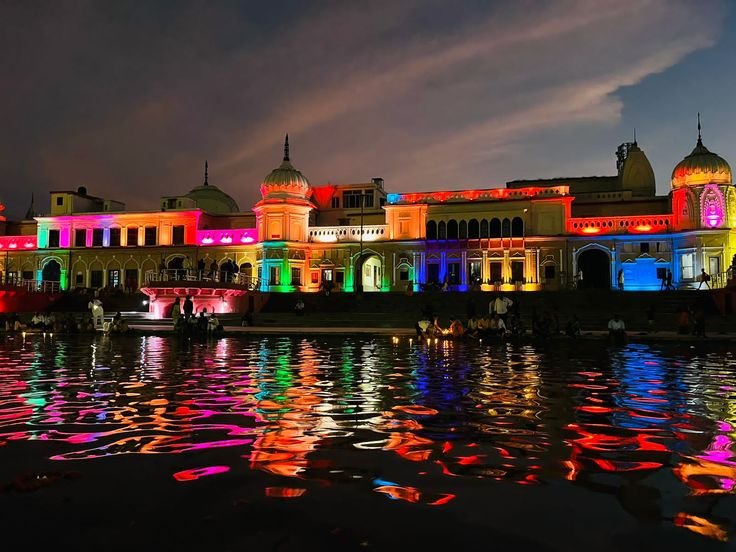
Situated on the banks of the Sarayu River, the city combines ancient religious traditions with a rapidly developing modern pilgrimage infrastructure. The atmosphere becomes especially spiritual during sunrise and sunset when devotees gather along the Sarayu Ghats for prayers and rituals.
Ram Mandir
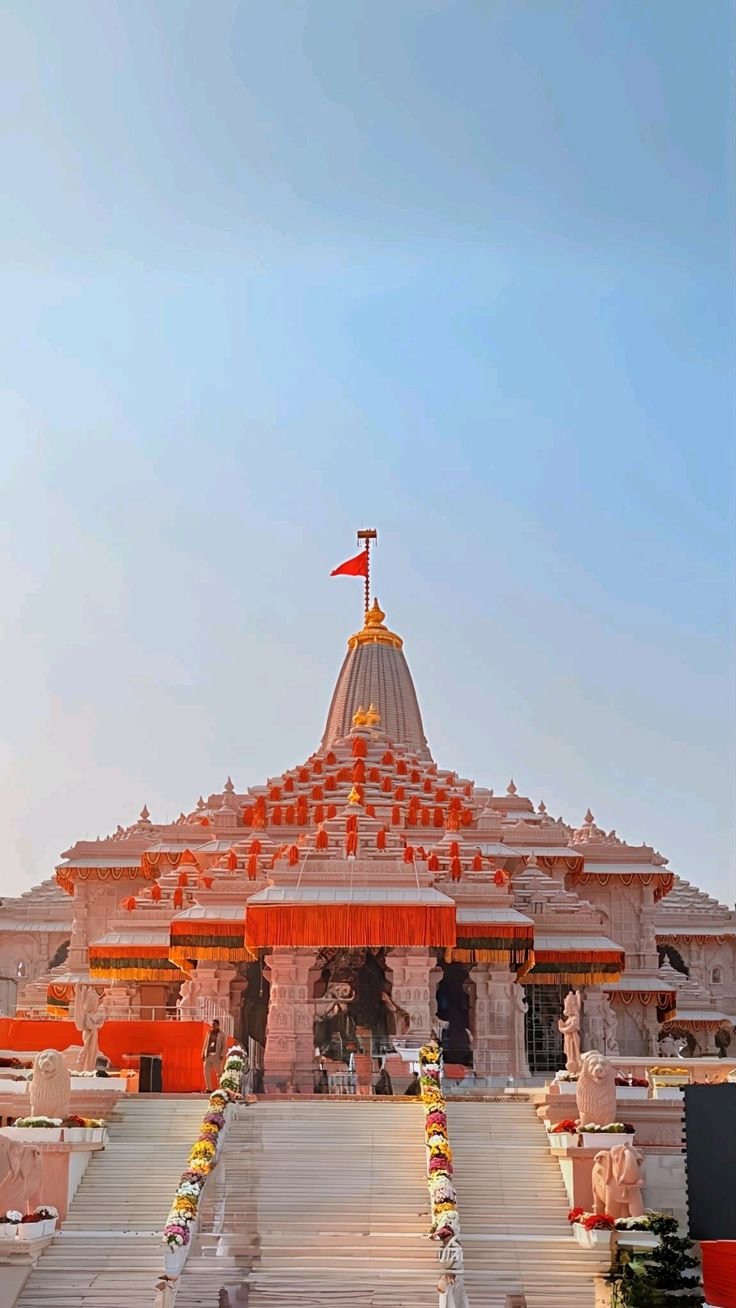
The newly developed Shri Ram Janmabhoomi Temple is the principal attraction of Ayodhya and one of the most important pilgrimage sites for devotees of Lord Rama. The grand temple complex reflects traditional Indian architectural styles and has transformed Ayodhya into an important spiritual destination for pilgrims from across India and around the world.
Visitors can experience the devotional atmosphere of the temple complex and explore the surrounding sacred areas associated with the life and traditions of Lord Rama.
Hanuman Garhi
Hanuman Garhi is one of Ayodhya’s most famous temples and is dedicated to Lord Hanuman. The temple is located on a hill and is reached by climbing a series of steps.
According to local tradition, Lord Hanuman stayed here while protecting Ayodhya. Devotees often visit Hanuman Garhi before visiting Ram Mandir as part of their spiritual journey.
Kanak Bhawan
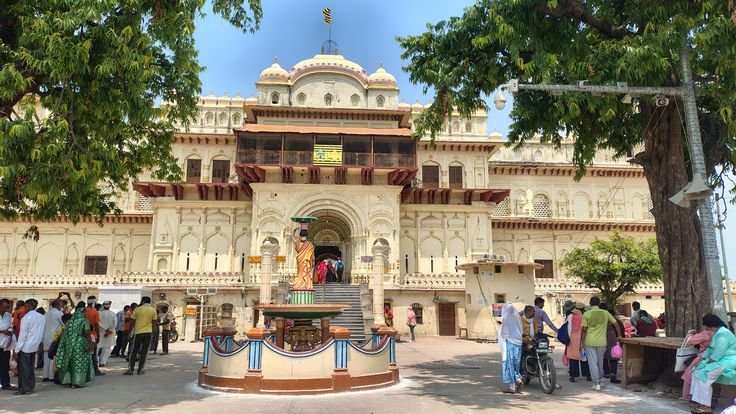
Kanak Bhawan is another beautiful temple in Ayodhya dedicated to Lord Rama and Goddess Sita. The temple is known for its attractive architecture, peaceful surroundings and beautifully decorated idols.
The temple has a strong connection with the devotional traditions of Ayodhya and is an important stop for pilgrims exploring the city’s religious heritage.
Saryu Ghat
A visit to Ayodhya is incomplete without spending time beside the sacred Sarayu River. Saryu Ghat is especially beautiful during sunrise and sunset when devotees gather for prayers and religious rituals.
The evening atmosphere becomes particularly peaceful as lamps illuminate the river and devotional chants fill the surroundings.
Varanasi – The Eternal City of Lord Shiva
After exploring Ayodhya, the journey continues toward Varanasi, one of the oldest continuously inhabited cities in the world. Also known as Kashi and Banaras, Varanasi is regarded as one of the holiest cities in Hinduism.
The city stands along the banks of the Ganga and is famous for its temples, ghats, narrow ancient lanes, spiritual traditions and spectacular evening Ganga Aarti.
Varanasi has a unique character. Early in the morning, pilgrims take holy baths in the Ganga, temples begin their daily prayers and boats move slowly across the river. In the evening, the ghats come alive with lamps, bells and devotional ceremonies.
Kashi Vishwanath Temple
Kashi Vishwanath Temple is one of the most important Shiva temples in India and is dedicated to Lord Shiva in the form of Vishwanath, meaning “Lord of the Universe.”
The temple is one of the twelve Jyotirlingas and is considered an extremely sacred pilgrimage destination for devotees of Lord Shiva.
The spiritual significance of Kashi Vishwanath makes it one of the most important highlights of a Varanasi pilgrimage.
Ganga Aarti at Dashashwamedh Ghat
The Ganga Aarti at Dashashwamedh Ghat is one of the most memorable experiences in Varanasi. Every evening, priests perform an elaborate ritual dedicated to the sacred river Ganga.
Large lamps, incense, bells, chanting and devotional music create a powerful spiritual atmosphere. Visitors gather along the ghats and on boats in the river to witness the ceremony.
The experience becomes particularly beautiful after sunset when the glowing lamps are reflected in the waters of the Ganga.
Assi Ghat
Located at the southern end of the main ghats, Assi Ghat is another popular place to experience the spiritual side of Varanasi.
The ghat is known for its peaceful morning atmosphere, religious ceremonies and beautiful views of the Ganga. Watching the sunrise from a boat near Assi Ghat can be one of the most memorable moments of the entire journey.
Manikarnika Ghat
Manikarnika Ghat is one of the oldest and most significant cremation ghats in Varanasi. It holds deep importance in Hindu beliefs concerning death and liberation.
The ghat reflects an important aspect of Varanasi’s spiritual philosophy, where life, death and liberation are considered interconnected parts of existence.
Visitors should approach the area respectfully and follow local customs and restrictions regarding photography.
Ayodhya and Varanasi – A Unique Spiritual Combination
Combining Ayodhya and Varanasi in one journey allows travelers to experience two major centers of Hindu spirituality.
Ayodhya is strongly associated with Lord Rama, the Ramayana and the traditions of devotion surrounding the birthplace of Lord Rama. Varanasi, meanwhile, is closely connected with Lord Shiva, the Ganga and the ancient spiritual concept of Kashi as a city of liberation.
The two destinations complement each other beautifully. Ayodhya offers grand temples, Ramayana traditions and the peaceful Sarayu River, while Varanasi provides ancient ghats, sacred rituals, temples and the unforgettable Ganga Aarti.
Best Experiences on an Ayodhya and Varanasi Tour
One of the most rewarding aspects of this pilgrimage is experiencing the cities beyond their major temples. In Ayodhya, travelers can walk along the Sarayu River, visit historic temples and experience the evening atmosphere around the ghats.
In Varanasi, taking an early morning boat ride on the Ganga offers a completely different perspective of the city. As the sun rises, the ancient ghats slowly come alive with pilgrims, priests and local residents performing their morning rituals.
Walking through the narrow lanes of Varanasi is another memorable experience. Small temples, traditional shops, local food stalls and centuries-old buildings create an atmosphere that feels unlike anywhere else.
Local Food and Cultural Experiences
Food is also an important part of the Ayodhya and Varanasi experience. Visitors can enjoy traditional North Indian vegetarian dishes, local sweets and popular street foods.
In Ayodhya, local sweets and traditional vegetarian meals are commonly enjoyed by pilgrims. Varanasi is particularly famous for its street food culture, including kachori-sabzi, tamatar chaat, lassi and the city’s famous Banarasi paan.
Visitors should choose hygienic and well-reviewed food establishments, especially when traveling with family.
Shopping in Ayodhya and Varanasi
Both cities offer opportunities to purchase religious souvenirs and traditional products.
In Ayodhya, travelers can find devotional items, Ram Mandir souvenirs, religious books, idols and traditional handicrafts.
Varanasi is famous for Banarasi silk sarees, traditional textiles, handicrafts, religious items and locally made souvenirs. Banarasi silk products are particularly popular among visitors looking for something traditionally associated with the city.
Best Time to Visit Ayodhya and Varanasi
Ayodhya and Varanasi can be visited throughout much of the year, but the cooler months from October to March are generally more comfortable for sightseeing and pilgrimage activities.
The winter season offers pleasant conditions for visiting temples, exploring the ghats and taking part in outdoor activities.
Festivals can make the experience even more vibrant. However, major festival periods can also attract very large crowds, so travelers should plan accommodation and transportation well in advance.
Suggested Ayodhya and Varanasi Tour Experience
A combined journey can comfortably be planned over several days depending on the number of temples, sightseeing locations and cultural experiences you wish to include.
A typical pilgrimage can begin in Ayodhya with visits to Ram Mandir, Hanuman Garhi, Kanak Bhawan and the Sarayu Ghats. After exploring Ayodhya, travelers can continue to Varanasi and discover Kashi Vishwanath Temple, the ancient ghats and other important religious sites.
The Varanasi portion can include an early morning Ganga boat ride, temple visits and the famous evening Ganga Aarti at Dashashwamedh Ghat.
Travelers who have additional time can also explore nearby spiritual attractions such as Sarnath, where Lord Buddha delivered his first sermon after attaining enlightenment.
Travel Tips for Ayodhya and Varanasi
Comfortable footwear is recommended because temple visits and sightseeing can involve considerable walking. Modest clothing is appropriate when visiting religious places.
Keep identification documents and essential medicines with you during the journey. It is also advisable to carry some cash because smaller shops and local vendors may not always accept digital payments.
Temple entry rules, security procedures and photography restrictions can change, particularly at major pilgrimage sites. Travelers should always follow the latest instructions provided by temple authorities and local administration.
During festivals and peak pilgrimage seasons, roads and temple areas can become extremely crowded. Allow additional travel time and keep your schedule flexible.
Why Choose an Ayodhya and Varanasi Spiritual Tour?
An Ayodhya and Varanasi tour is ideal for travelers looking for a meaningful spiritual and cultural journey through some of India’s most sacred destinations.
The journey brings together the divine heritage of Lord Rama and Lord Shiva, the sacred waters of the Sarayu and Ganga, ancient temples, historic ghats and living traditions that continue to shape Indian culture.
Whether you are traveling for pilgrimage, exploring India’s spiritual heritage or simply looking for a culturally rich journey, Ayodhya and Varanasi offer an unforgettable experience.
From the peaceful banks of the Sarayu in Ayodhya to the illuminated ghats of Varanasi, this journey allows you to experience India’s timeless spiritual traditions in two extraordinary cities.
Highlights
- Darshan at Shri Ram Janmabhoomi Temple
- Visit Hanuman Garhi
- Explore the beautiful Kanak Bhawan
- Spend peaceful time at the Sarayu Ghats
- Discover the religious and cultural heritage associated with Lord Ram
- Experience the evening atmosphere along the Sarayu
- Explore the traditional lanes and temples of Ayodhya
- Darshan at the sacred Kashi Vishwanath Temple
- Experience the famous Ganga Aarti at Dashashwamedh Ghat
- Enjoy a peaceful sunrise boat ride on the Ganga
- Explore the ancient lanes of Kashi
- Explore Manikarnika Ghat
- Explore Kaal Bhairav Temple
- Explore the traditional culture, food and markets of Banaras