-
Best Hotel
-
May to June and September to October
-
Spritiual, Trekking
-
Brekfast and Dinner
-
English, Hindi
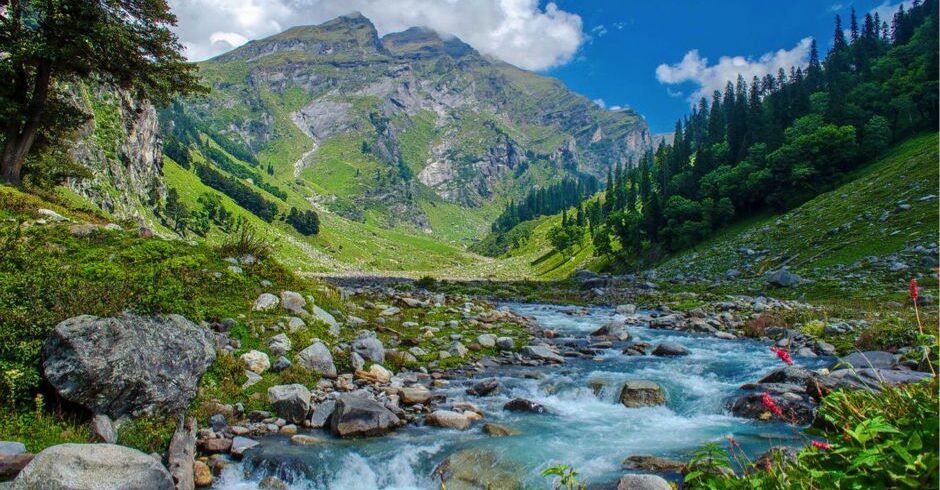
Panch Kedar is not just another Himalayan trek. It is a journey through some of the most remote and spiritually significant landscapes of Uttarakhand, where ancient Shiva temples sit surrounded by forests, alpine meadows, towering peaks and quiet mountain valleys.
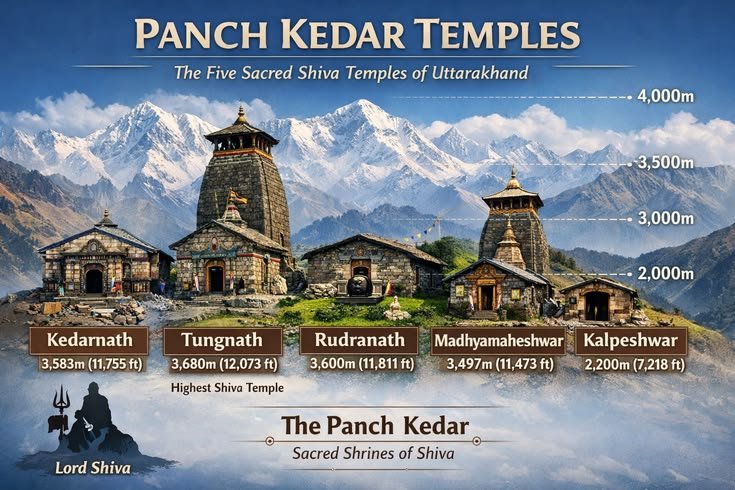
The name Panch Kedar refers to five sacred temples dedicated to Lord Shiva: Kedarnath, Madhmaheswar, Tungnath, Rudranath and Kalpeshwar. Together, these temples form one of the most important Shiva pilgrimage circuits in the Garhwal Himalayas.
Unlike a conventional pilgrimage where the destination is easily accessible by road, Panch Kedar demands time, physical effort and patience. Several temples can only be reached after trekking through mountain trails, forests and high-altitude terrain. That effort is an important part of the experience.
For pilgrims, the journey is about devotion and seeking the blessings of Lord Shiva. For trekkers, it offers an opportunity to experience some of the most beautiful landscapes in Uttarakhand. And for travellers who enjoy both spirituality and adventure, Panch Kedar brings these two experiences together in a remarkable way.
What is Panch Kedar?
Panch Kedar consists of five ancient Shiva temples located across the Garhwal Himalayas. The five temples are Kedarnath, Madhmaheswar, Tungnath, Rudranath and Kalpeshwar.
According to Hindu tradition, the temples are connected with the Pandavas and their search for Lord Shiva after the Kurukshetra war. The legend says that Shiva appeared in the form of a bull and disappeared into the ground when the Pandavas tried to approach him. Different parts of the bull are believed to have appeared at the five locations that became the Panch Kedar temples.
Kedarnath is associated with the hump, Madhmaheswar with the navel and stomach, Tungnath with the arms, Rudranath with the face and Kalpeshwar with the matted hair of Lord Shiva.
Whether you approach Panch Kedar as a pilgrimage or as a Himalayan adventure, the story gives the entire journey a deeper sense of meaning.
The Five Temples of Panch Kedar
Kedarnath
Kedarnath is the most famous temple among the Panch Kedar temples and one of the most revered Shiva shrines in India.The temple stands at an altitude of approximately 3,583 metres in the upper Mandakini Valley and is surrounded by spectacular Himalayan peaks.
The journey traditionally begins from Gaurikund, followed by a long trek towards Kedarnath. Although the route has developed significantly over the years, the altitude and distance still make the journey physically demanding.
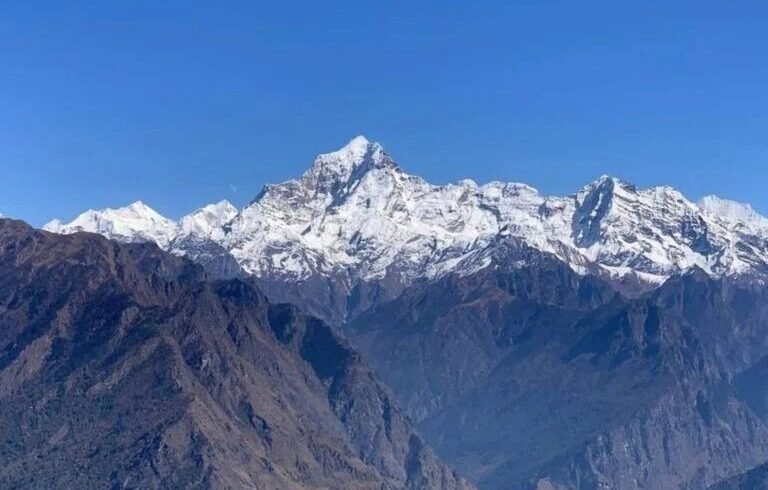
The atmosphere around Kedarnath is difficult to describe. After walking through the mountain trail, reaching the ancient stone temple with the snow-covered mountains in the background can be an emotional experience.
Madhmaheswar
Madhmaheswar, also known as Madhyamaheshwar, is located in the beautiful Garhwal Himalayas and is associated with the navel and stomach of Lord Shiva. The temple is surrounded by green meadows and impressive Himalayan peaks. Compared with Kedarnath, the journey towards Madhmaheswar feels quieter and more remote.
The trek takes you through forests, villages and mountain landscapes before reaching the temple. For many travellers, Madhmaheswar is one of the most peaceful sections of the Panch Kedar circuit.
Tungnath
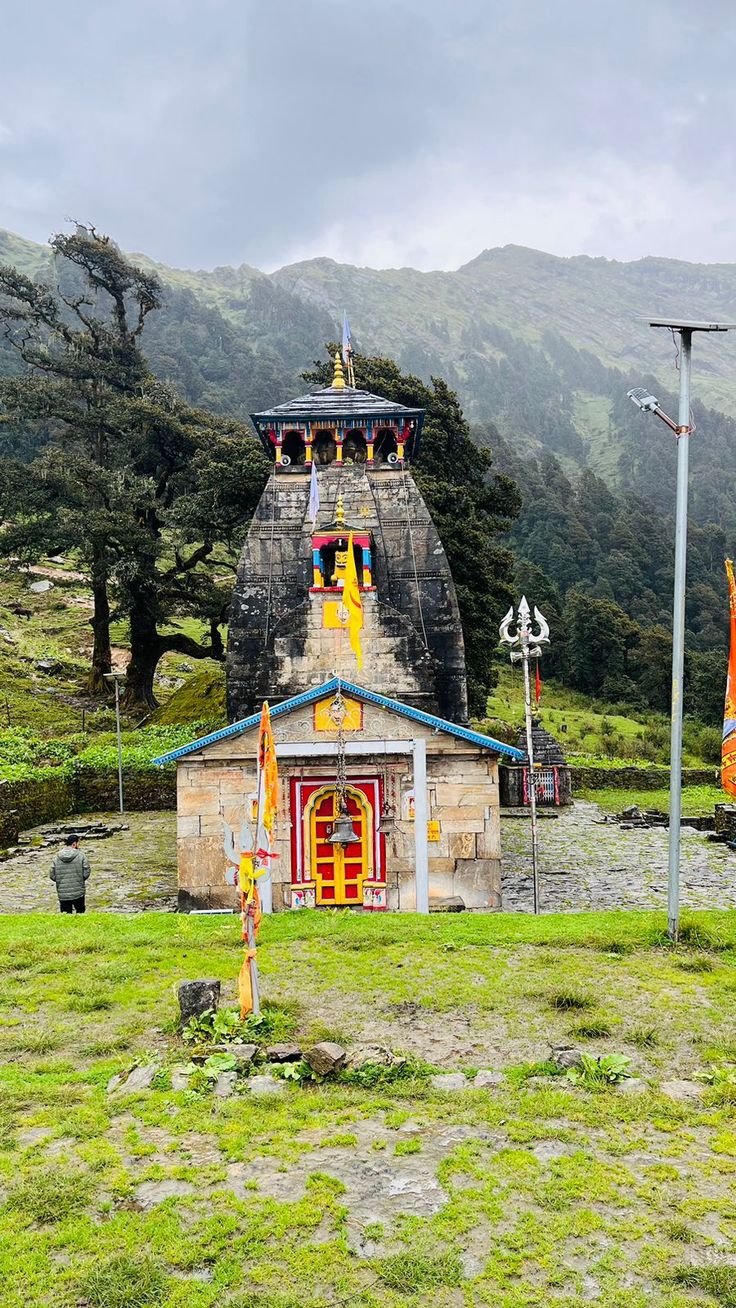
Tungnath is believed to be the highest Shiva temple in the world, standing at approximately 3,680 metres.
The trek to Tungnath begins from Chopta and is relatively short compared with some of the other Panch Kedar treks, but the altitude makes the climb challenging. The trail offers beautiful views of the surrounding Himalayan ranges.
For travellers who have limited time but still want to experience one of the Panch Kedar temples, Tungnath is often the easiest temple to include in a shorter journey. Those with enough time can continue further to Chandrashila, which offers spectacular panoramic mountain views.
Rudranath
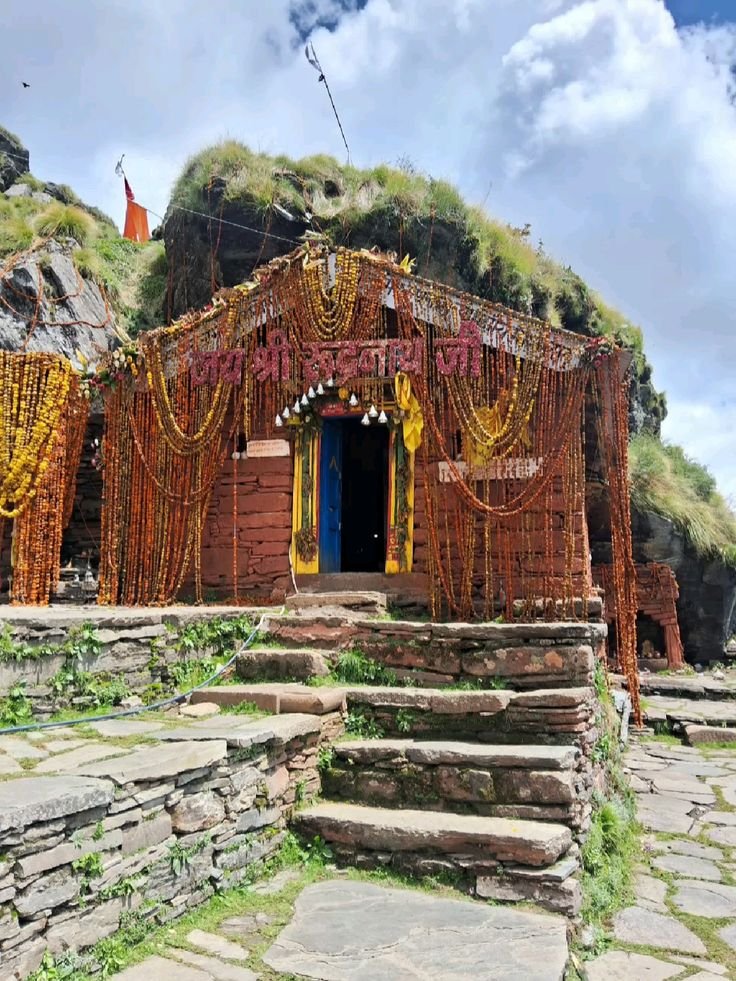
Rudranath is perhaps one of the most remote and atmospheric temples in the Panch Kedar circuit. The temple is dedicated to Lord Shiva in his natural rock form and is traditionally associated with the face of Shiva.
The journey to Rudranath involves long and challenging trekking through forests, grasslands and high Himalayan terrain. Unlike Tungnath, where the trail is relatively popular, the route towards Rudranath feels much more isolated. The surrounding landscape, especially during the flowering season, can be incredibly beautiful.
Kalpeshwar
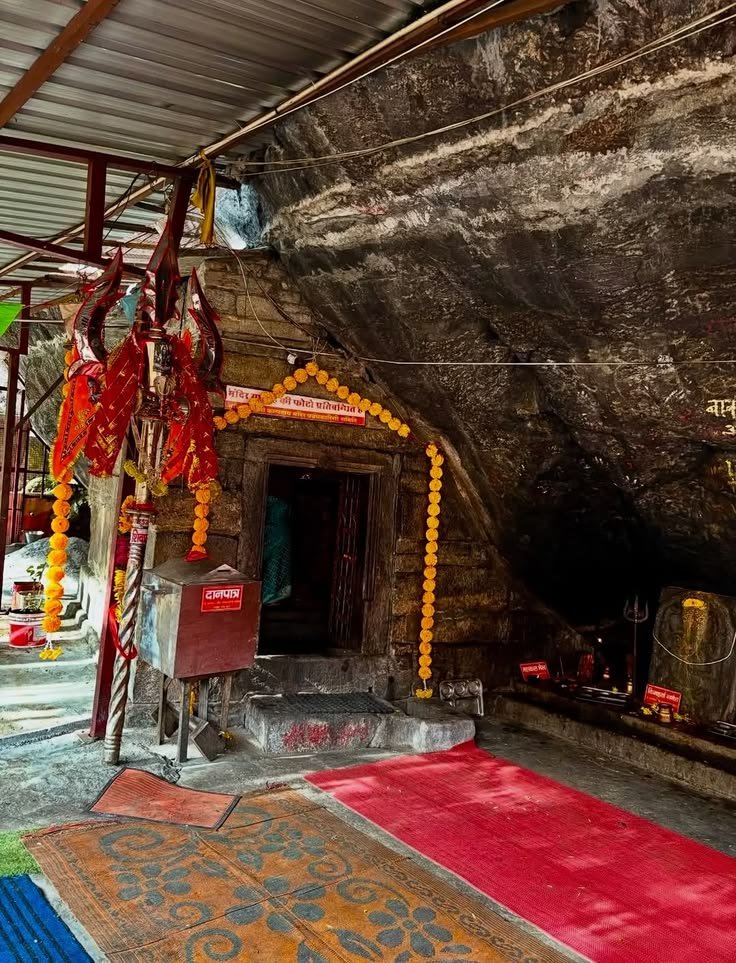
Kalpeshwar is the fifth and final temple of Panch Kedar. It is associated with the matted hair or locks of Lord Shiva.
The temple is situated in the Urgam Valley and is different from the other Panch Kedar temples because it can be accessed with considerably less trekking compared with the other shrines. The peaceful surroundings of the Urgam Valley make Kalpeshwar a beautiful place to complete the Panch Kedar pilgrimage.
Best Time for Panch Kedar Yatra
The best period depends on the opening schedule of the individual temples and prevailing weather conditions.
Generally, the main pilgrimage season falls during the warmer months and early autumn.
May to June offers relatively pleasant conditions in many lower and mid-altitude areas, while September to October can provide clearer mountain views after the monsoon.
The monsoon months can make trekking routes slippery and increase the risk of landslides, while winter brings heavy snowfall to the higher temples.
Because Panch Kedar involves several different trekking routes, it is important to check the current status of each temple and route before beginning the journey.
Panch Kedar Yatra Difficulty
Panch Kedar is considered a challenging Himalayan pilgrimage because it combines multiple treks rather than a single trail. Kedarnath involves a long high-altitude trek, Madhmaheswar includes significant uphill and downhill sections, Tungnath is shorter but steep at altitude, Rudranath is one of the most demanding parts of the circuit and Kalpeshwar is comparatively easier to access.
Good cardiovascular fitness, comfortable trekking shoes and previous experience with long walks can be helpful. However, experience is not the only factor. The ability to adapt to altitude, weather and basic mountain conditions is equally important.
How to Reach Panch Kedar
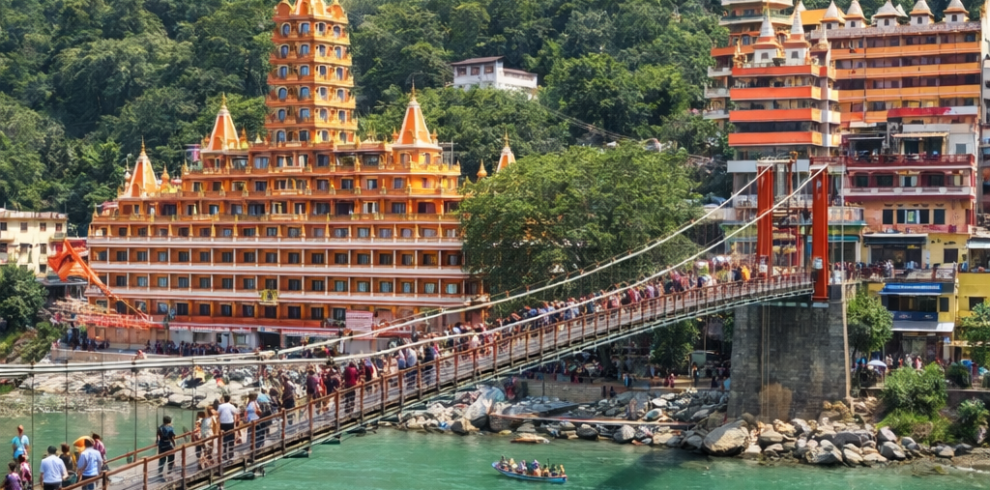
The exact starting point depends on the itinerary. Most travellers begin from Haridwar or Rishikesh and travel into the Garhwal Himalayas by road.
Important access points for different temples include Gaurikund for Kedarnath, Ransi for Madhmaheswar, Chopta for Tungnath, Sagar/Gopeshwar-side routes for Rudranath and Urgam Valley for Kalpeshwar. Because the temples are spread across different valleys, Panch Kedar cannot be treated like a single trekking route.
What to Carry for Panch Kedar
Carry comfortable trekking shoes with strong grip, warm layers, thermal wear, a waterproof jacket, trekking trousers, woollen socks, gloves and a warm cap. A small backpack is useful for carrying water, snacks, medicines and personal essentials during the trekking sections.
You should also carry a valid photo ID, basic first-aid supplies, sunscreen, sunglasses, a headlamp, power bank and waterproof bags for electronic items. Pack according to the season because weather can change quickly in the mountains.
Final Thoughts
Panch Kedar is a journey that stays with you. It is not simply about visiting five temples and completing a checklist. Every temple has its own landscape, its own trail and its own atmosphere.
- Kedarnath brings the grandeur of the high Himalayas.
- Madhmaheswar offers peaceful valleys and remote mountain scenery.
- Tungnath combines spirituality with spectacular high-altitude views.
- Rudranath takes you deep into the quieter side of the Himalayas.
- And Kalpeshwar brings the journey to a peaceful close in the beautiful Urgam Valley.
Together, these five temples create a pilgrimage that demands effort but rewards you with experiences that are difficult to find anywhere else. For devotees, it is a journey towards Lord Shiva, For trekkers, it is an adventure through the Garhwal Himalayas, For travellers, it is an opportunity to experience Uttarakhand beyond the usual tourist routes.
Har Har Mahadev.
Highlights
- Visit all five sacred Panch Kedar temples
- Kedarnath – the most renowned shrine Madhmaheshwar – surrounded by beautiful
- Himalayan scenery Tungnath – one of the highest Shiva temples Rudranath – a remote and scenic Himalayan shrine
- Kalpeshwar – the final temple of the Panch Kedar circuit Trek through forests, meadows, valleys and remote mountain villages.
- Experience one of Uttarakhand's most immersive Shiva pilgrimages